Source CO2 Laser Machine for Advertising, Crafts, and Packaging
Find 30 CO2 laser machines from verified Chinese suppliers. Compare models like SAW-CFL015 and VLM with options for air or water cooling, scanning or vector engraving, and applications in advertising, crafts, and packaging industries.
Key considerations
Products List
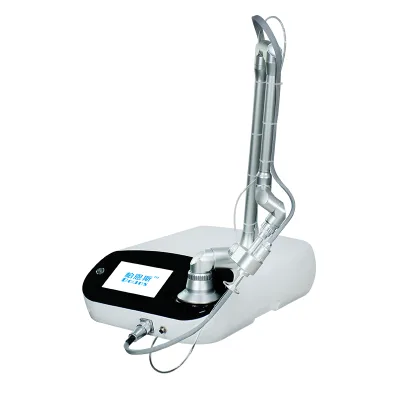


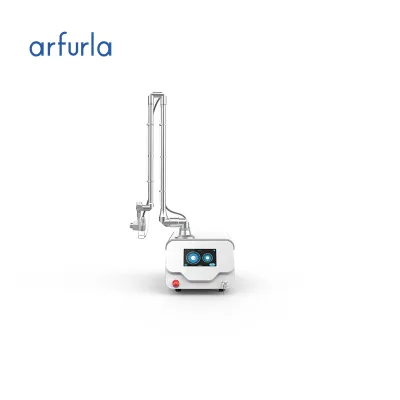


Comprehensive Sourcing Guide
CO2 Laser Machine Sourcing Guide
Selecting the right CO2 laser machine requires a clear understanding of the distinct technological classes available in the current market. Procurement teams must first distinguish between gaseous laser systems, which are typically continuous wave and designed for high-speed scanning marking, and solid-state or fiber-based alternatives that may operate as pulse lasers. The supplied data indicates a significant divergence in product attributes, ranging from non-metal marking applications to beauty equipment for skin resurfacing. Buyers must align their specific material processing needs—whether for leather, wood, acrylic, or cosmetic treatments—with the correct laser classification to avoid purchasing equipment that lacks the necessary power density or wavelength for their intended use case.
Furthermore, the operational environment and automation level are critical decision points that dictate the final configuration of the machinery. The observed listings reveal a mix of automatic and manual-grade systems, with some units explicitly labeled as CNC-enabled for complex vector engraving, while others are designed for simpler, single-item tasks. Cooling systems also vary, with both air-cooled and water-cooled options present in the market data. This variation impacts not only the initial capital expenditure but also the long-term maintenance requirements and facility infrastructure needs, such as the necessity for chiller units or compressed air lines.
Product Scope and Observed Listing Signals
The current market landscape for CO2 laser machines exhibits a broad spectrum of applications, primarily driven by the versatility of the CO2 wavelength in processing non-metallic materials. Listings frequently highlight industries such as advertising, crafts, printing and packaging, and carpentry, where precise vector engraving on materials like wood, acrylic, and leather is essential. The presence of specific models like the SAW-CFL015 and VLM suggests a strong focus on industrial marking and engraving tasks. Buyers should note that while the core technology is consistent, the physical form factor and software integration vary significantly, with some units featuring touch screens for intuitive operation and others relying on traditional control panels.
In addition to industrial marking, there is a distinct segment of CO2 laser equipment dedicated to aesthetic and medical applications, such as salon-based skin resurfacing and acne removal. These units, often categorized under laser beauty equipment, differ fundamentally from industrial machines in terms of safety protocols, power output, and ergonomic design. The observed data includes models with dimensions such as 5161126cm, indicating portable or benchtop designs suitable for smaller clinics or home use. Procurement teams must strictly separate these two categories during the sourcing process, as the regulatory requirements and technical specifications for medical-grade beauty devices are vastly different from those for industrial manufacturing tools.
Technical Specifications to Verify
When evaluating technical specifications, the laser wavelength and classification are the most critical parameters to verify. For industrial applications, the CO2 laser is typically an invisible gaseous laser operating in the continuous wave mode, ideal for high-speed scanning marking on non-metals. Buyers must confirm whether the machine utilizes a scanning mirror system for rapid vector engraving or a galvanometer-based setup for finer details. The distinction between continuous wave and pulse laser technologies is also vital, as pulse lasers are often associated with solid-state systems used for different material interactions. Misidentifying the laser type can lead to inefficient processing speeds or poor mark quality on the target material.
Physical dimensions and cooling mechanisms are equally important for facility planning and operational efficiency. The observed standard sizes, such as 800750460mm and 1440600800mm, provide a baseline for space allocation, but buyers must also consider the footprint of auxiliary equipment like exhaust systems and chillers. The cooling system, whether air-cooled or water-cooled, directly impacts the machine's stability and lifespan. Water-cooled systems generally offer better thermal management for high-power continuous operation but require additional infrastructure. Buyers should verify the voltage requirements, such as the observed 380V standard, to ensure compatibility with their local power grid and avoid the need for expensive transformers.
Compliance and Safety Documentation
Safety compliance is non-negotiable when sourcing CO2 laser machines, particularly given the invisible nature of the laser beam which poses significant eye and skin hazards. Buyers must ensure that all equipment carries valid CE certification, which is a common standard observed in the provided data for machines originating from China. This certification indicates that the machine meets European health, safety, and environmental protection standards. However, buyers should not rely solely on the presence of a CE mark; they must request the full technical file and risk assessment documentation to verify that the laser enclosure, interlocks, and emergency stop mechanisms function correctly and meet local regulatory requirements.
In addition to general safety certifications, specific documentation related to laser classification and visibility must be reviewed. Since CO2 lasers are often invisible, the machine must be equipped with appropriate safety features to prevent accidental exposure. For beauty equipment, additional medical device certifications may be required depending on the jurisdiction. Buyers should also verify that the supplier provides comprehensive user manuals in English, detailing safe operating procedures, maintenance schedules, and emergency protocols. The absence of clear safety documentation can lead to operational hazards and potential legal liabilities, especially in industrial settings where multiple operators may interact with the equipment.
Cost Drivers and Commercial Terms
The price range for CO2 laser machines is highly variable, reflecting the diversity in technology, power, and application. Observed listings show prices ranging from approximately $380 to $70,000, a span that underscores the difference between basic desktop engravers and high-end industrial systems. The minimum order quantity (MOQ) typically ranges from 1 to 20 units, indicating that most suppliers are willing to accommodate single-unit purchases, which is beneficial for small businesses or pilot projects. Buyers should be aware that lower-priced units may lack advanced features such as touch screens, automatic grading, or robust cooling systems, which are critical for high-volume production environments.
Commercial terms and packaging are also significant factors in the total cost of ownership. The observed data indicates that machines are shipped in various packaging formats, including plywood packages, wooden boxes, and wooden cases, which are essential for protecting the precision optics and mechanical components during transit. Buyers should clarify who is responsible for freight insurance and customs clearance, as these costs can add substantially to the final price. Additionally, the availability of customization options should be negotiated early in the procurement process, as custom modifications can lead to longer lead times and higher costs. Clear agreement on warranty terms and after-sales support is crucial to mitigate the risk of unexpected repair expenses.
Supplier Qualification and Quality Control
Supplier qualification is a critical step in ensuring the reliability and longevity of the CO2 laser machine. Buyers should prioritize suppliers who demonstrate a clear understanding of the specific application, whether it is industrial marking or beauty treatment. The origin of the product, often Guangdong or Hebei in China, can provide insights into the supplier's specialization, as these regions have established manufacturing clusters for laser equipment. However, geographic origin alone is not a guarantee of quality; buyers must verify the supplier's production capabilities, including their assembly lines and quality control processes. Requesting video tours of the factory or third-party audit reports can provide valuable insights into the supplier's operational standards.
Quality control measures should be explicitly defined in the purchase agreement. Buyers should insist on pre-shipment inspections to verify that the machine meets the agreed-upon specifications, including laser power output, marking speed, and software functionality. The condition of the machine, typically listed as "New," should be confirmed through detailed photos or videos before shipment. Additionally, buyers should verify the availability of spare parts, such as laser tubes and mirrors, which are consumable components that will eventually need replacement. Establishing a clear channel for technical support and troubleshooting is essential, as laser machines require periodic maintenance to maintain optimal performance.
Long-Term Procurement Checks
Long-term procurement success depends on the supplier's ability to provide ongoing technical support and software updates. CO2 laser machines often rely on specialized software for vector engraving and design management, and buyers should ensure that this software is compatible with their existing IT infrastructure. Regular updates may be necessary to support new file formats or improve processing efficiency. Buyers should also establish a relationship with the supplier for future upgrades, such as increasing laser power or adding automation features, which can extend the lifecycle of the machine and protect the initial investment.
Finally, buyers must monitor the evolving regulatory landscape regarding laser safety and environmental compliance. As regulations become stricter, older machines may require retrofitting or replacement to remain compliant. Keeping abreast of these changes allows procurement teams to plan for future capital expenditures and avoid operational disruptions. By maintaining a proactive approach to supplier management and technology monitoring, buyers can ensure that their CO2 laser machines continue to deliver value and meet production demands over the long term.
FAQs
What cooling systems are available for CO2 laser machines?
Both air cooling and water cooling systems are available for these machines. The specific cooling method depends on the model selected, such as the SAW-CFL015 which uses air cooling, while other variants may utilize water cooling for different operational needs.
Which materials can a CO2 laser machine mark effectively?
These machines are designed primarily for marking nonmetal materials. They are widely applied in industries like advertising, crafts, printing, packaging, carpentry, and leather, making them versatile for various non-metallic engraving and marking tasks.
Can I customize the CO2 laser marking machine specifications?
Yes, customization is available for these laser marking machines. Buyers can request specific adjustments to meet their unique production requirements, ensuring the equipment fits their particular workflow and application needs within the manufacturing sector.
What is the typical voltage requirement for these machines?
The standard voltage requirement for these units is 380V. This electrical specification ensures proper operation of the laser system and associated components, which are typically new condition and designed for industrial-grade continuous or pulse laser applications.
How are these machines packaged for international shipping?
Packaging options include plywood packages, wooden boxes, and wooden cases. The specific packaging type depends on the model and manufacturer, ensuring safe transport of the equipment which often originates from locations like Guangdong or Hebei in China.
What certifications do these CO2 laser machines hold?
Many of these machines carry CE certification to meet safety and quality standards. This certification indicates compliance with relevant regulations, providing assurance for buyers regarding the safety and operational reliability of the laser equipment in various industrial settings.
Are these CO2 laser machines portable or stationary?
These units are generally non-portable and designed as stationary equipment. They are built for fixed installation in industrial environments, offering stable performance for applications ranging from advertising to construction and mold making without the need for mobility.